
Tanzania is celebrated globally for its unparalleled wildlife and iconic landscapes. But the soul of this East African nation lies just as deeply in its people. Beyond the jeep safaris, engaging with Tanzania’s over 120 distinct ethnic groups—including the famed Maasai and the ancient Hadzabe—offers a profound, unforgettable layer to your journey.
Cultural tourism in Tanzania is a powerful way to connect with local life, support communities directly, and understand the traditions that have shaped this land for centuries.
Meet the Guardians of the Savanna: The Maasai
The Maasai are the most recognizable of Tanzania’s tribes, famous for their vibrant red shukas (robes), distinctive high-jumping dance (adamu), and a proud, semi-nomadic cattle-herding lifestyle. They are iconic guardians of the land adjacent to the major conservation areas like the Serengeti and Ngorongoro.
The Maasai Village Experience (Boma)
A visit to a Maasai boma (homestead) is typically organized through your safari operator. What to expect:
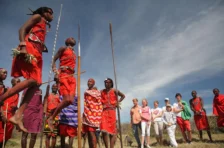
- A Warm Welcome: You’ll be greeted with traditional songs and the adamu dance. This is an invitation to join in the celebration.
- Village Tour: You’ll be shown the structure of their circular homes (manyatta), often built by the women using mud, sticks, and cow dung.
- Understanding Their Life: Learn about their reliance on cattle for food, status, and trade. Listen to stories about their warrior heritage and the importance of nature and ritual in their daily lives. You may be invited to try your hand at starting a fire using friction sticks.
The Ancient Way of Life: The Hadzabe Bushmen
A visit to the Hadzabe (or Hadza) community near Lake Eyasi offers a glimpse into one of the world’s last true hunter-gatherer tribes. Their lineage is ancient, and they speak a unique click language unlike any other.
The Bush Hunt Experience
This is a truly immersive cultural encounter that usually begins before dawn:
- Hunting: You’ll join Hadzabe men as they set out on their morning hunt, armed with bows and poison-tipped arrows. This is not a demonstration, but an authentic daily activity.
- Foraging: Learn how they identify and gather wild berries, fruits, and edible tubers in the bush.
- Survival Skills: Witness their deep knowledge of medicinal plants and animal behavior—a lifestyle that remains perfectly aligned with the natural environment.
Other Rich Communities and Cultural Opportunities
While the Maasai and Hadzabe are often the focus, many regions offer unique cultural insights:
- The Iraqw: Living near the Ngorongoro region (especially around Karatu), the Iraqw are agriculturalists known for their distinctive language and traditional subterranean storage pits.
- The Chaga: Located on the slopes of Mount Kilimanjaro, the Chaga are known for their sophisticated irrigation systems, coffee production, and rich clan histories. Visits often involve exploring their coffee plantations and deep, historical underground caves.
- The Sukuma: Tanzania’s largest ethnic group, primarily based near Lake Victoria, known for their elaborate dance traditions, particularly the snake dance.
Traveling with Respect: Cultural Tourism Etiquette
Cultural travel should always be a mutually enriching experience. To ensure your visit is respectful and beneficial to the local community, keep these guidelines in mind:
1. Ask Before You Photograph
Always ask for permission before taking a photo of an individual, especially children. Some communities may charge a small fee for photos; this is part of the local economy, and paying it is essential.
2. Dress Modestly, Especially in Villages
While on safari, casual dress is fine, but when visiting a village or town, cover your shoulders and knees. This is a sign of respect, particularly for women.
3. Be Mindful of Compensation and Commerce
Many village visits include opportunities to buy local handicrafts. Purchase directly from the community, and understand that some of the fees you pay for the visit go toward communal projects (schools, dispensaries). Bargaining is common but should be done respectfully and in good humor.
4. Engage and Listen
Avoid treating the experience like a zoo visit. Ask thoughtful questions, listen actively to your guide and the community members, and remember that you are a guest in their home. Show genuine interest in their traditions rather than just ticking a box.
5. Use Reputable Operators
Ensure your safari company works with communities in a fair, sustainable way, prioritizing that the revenue goes directly to the people you visit, thereby supporting cultural continuity.
Cultural travel in Tanzania is the bridge between seeing the country and truly understanding it. By stepping out of the jeep and into the boma or the bush, you not only gain a unique perspective on human history but also contribute directly to the preservation of these incredible traditions.